Experts Reveal 5 Natural Ways to Improve REM Sleep
REM sleep controls your memory, mood, and energy — here's what may be quietly disrupting it every night.


You're sleeping. But are you actually getting REM sleep?
There's a difference — and it might explain everything.
REM sleep is the stage where your brain consolidates memories, processes emotions, and restores mental energy.
When your REM sleep is disrupted, no amount of hours in bed will leave you feeling truly rested.
The signs are familiar: waking up groggy, relying on coffee to function, losing focus by noon, going to bed exhausted and waking up the same way.
If that sounds like you, your REM sleep cycles may not be completing the way they should.
The good news: simple, evidence-informed habits may help support better REM sleep — starting tonight.
Anchor Your Sleep Schedule
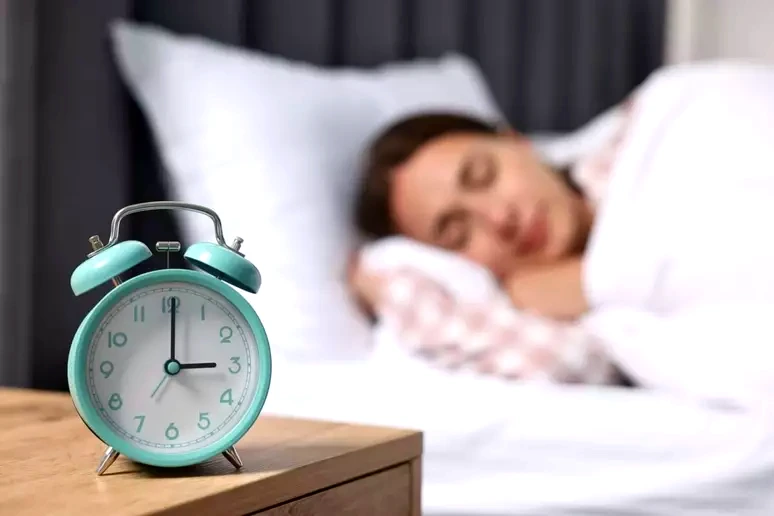
Your body runs on a circadian rhythm — a 24-hour internal clock that regulates alertness and sleep.
Inconsistent bedtimes disrupt that clock, and REM sleep is typically the first stage to suffer.
Pick a consistent wake-up time and stick to it — including weekends.
Keep your bedroom dark, cool, and quiet, and reserve your bed for sleep only.
Over time, your brain learns to associate that environment with rest.
Exercise Regularly — But Time It Right

Regular physical activity is one of the most well-documented habits associated with deeper sleep and more time in REM sleep cycles.
Aim for 30 minutes of moderate movement daily — but finish vigorous exercise at least 4 hours before bed.
Intense activity raises core body temperature, which can delay your first REM sleep cycle of the night.
Get Morning Sunlight

At least 15 minutes of natural light within an hour of waking may help regulate melatonin — the hormone that governs your sleep-wake cycle — and support a more consistent REM sleep rhythm overnight.
Build a Wind-Down Routine

Your brain doesn't transition into REM sleep instantly.
An intentional wind-down — a warm shower, light reading, or a short breathing exercise — may help signal your nervous system that it's time to prepare for sleep.
Avoid screens for at least 30 minutes before bed.
Blue light from phones and tablets suppresses melatonin production and can delay the onset of REM sleep without any noticeable immediate effect.
The Physical Factor Almost Nobody Considers

Most people who struggle with REM sleep focus on stress, caffeine, or screen time. Those factors matter.
But sleep specialists point to one physical element that's almost universally overlooked — even by people who do everything else right.
"How your head and neck are positioned while you sleep."
When your pillow doesn't support the natural curve of your cervical spine, your neck muscles stay partially engaged all night.
That tension keeps your nervous system in a mild state of alertness — and when your nervous system can't fully relax, your brain may struggle to enter and sustain REM sleep.
Researchers call these interruptions micro-arousals: brief partial awakenings that fragment REM sleep cycles without reaching full consciousness.
You don't remember them. But your body does.
What Specialists Found After Studying This Problem
After reviewing patients who had already optimized every sleep habit — schedules, screens, exercise, caffeine — specialists noticed a recurring pattern.
Many were still not reaching adequate REM sleep.
The common thread wasn't behavioral.
It was physical: inadequate neck support was generating enough muscular tension to interrupt REM sleep cycles throughout the night.
That's the problem this Sleep Support Device was designed to help address..
Derila Ergo — Designed to Support More Comfortable Sleep
Derila Ergo is an ergonomic pillow designed to adapt to the natural contour of your head and neck, helping maintain spinal alignment throughout the night — so your muscles can relax more fully, which may support healthier, less interrupted REM sleep cycles.
Individual results vary. Derila Ergo is not a medical device and is not intended to diagnose, treat, or cure any sleep disorder.
What Customers Say After One Week
Customer testimonials reflect individual experiences. Results may vary.
"8 hours every night, still exhausted every morning. After 10 days with Derila Ergo, I started waking up before my alarm — actually feeling alert. My wife noticed I stopped tossing and turning before I even mentioned it."
"Within a week, I stopped waking up at 3am. Morning stiffness almost completely gone. I feel more rested than I have in years."
"I didn't believe a pillow would affect my REM sleep. But I hadn't slept through the night in two years. Two weeks later, I feel like myself again."
If you've tried fixing your REM sleep with routines, supplements, and apps — and you're still waking up tired — the missing piece might be simpler than you think.
Derila Ergo — Current Offer for New Customers
Limited promotional pricing — while stock lasts
- ✅Up to 75% off your first Derila Ergo order
- 🛡️60-Night REM Sleep Guarantee — feel more rested or get a full refund. No questions. No hassle.
- 🚚Fast shipping — ships within 2–3 business days
Individual results may vary. Derila Ergo is not a medical device.
Offer valid while promotional stock lasts.